Source Bird Toy for Parrots, Cage Decoration, and Boredom Play
Find 30 bird toy options for parrots and birds, featuring wooden and plastic materials in various styles like sunflower and corn. Compare specs for cage decoration, self-entertainment, and bite-resistant play to select the right item for your needs.
Key considerations
Products List
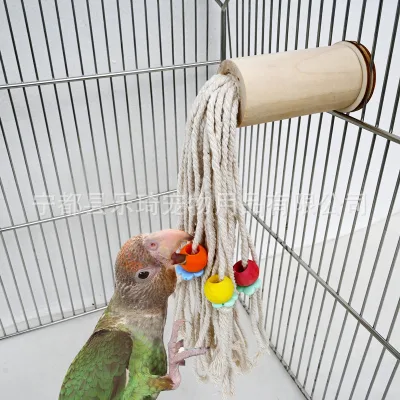
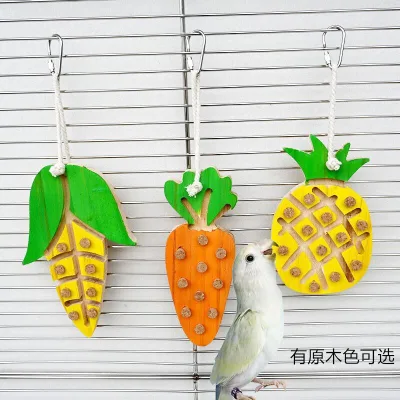
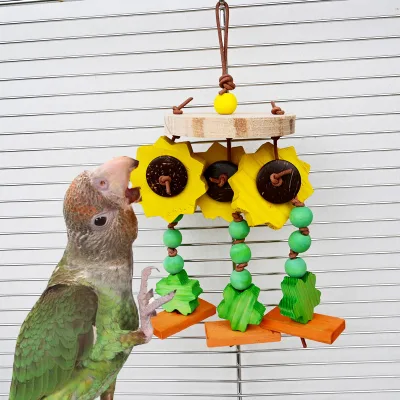
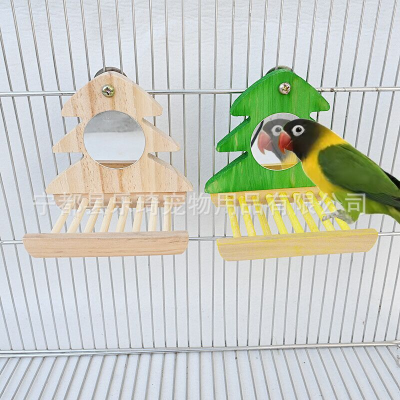
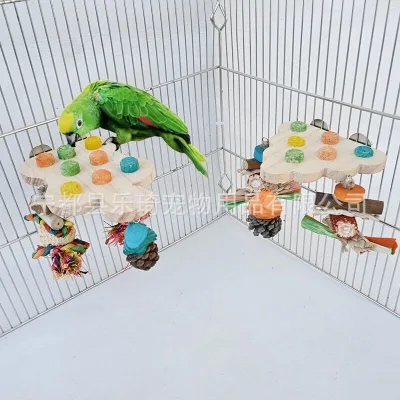
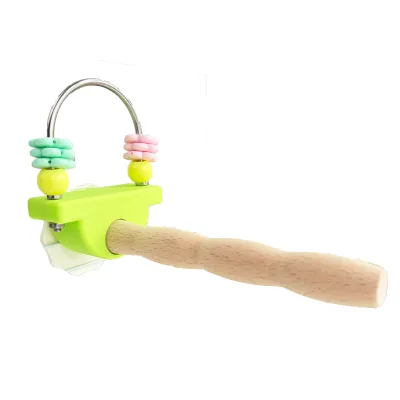


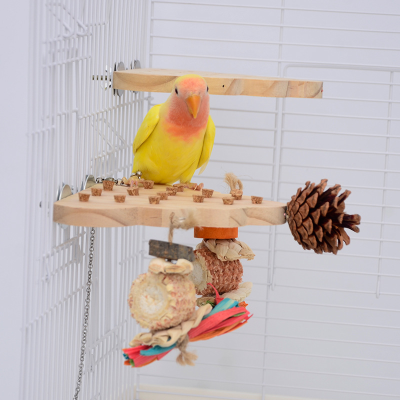
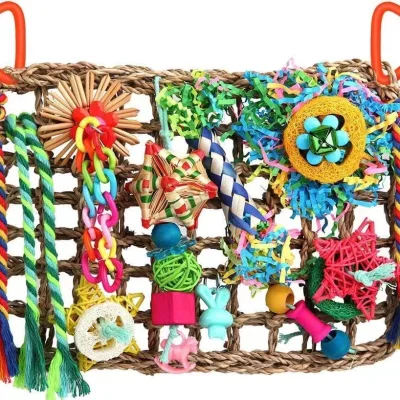


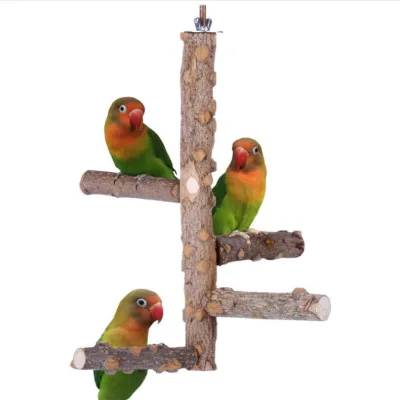
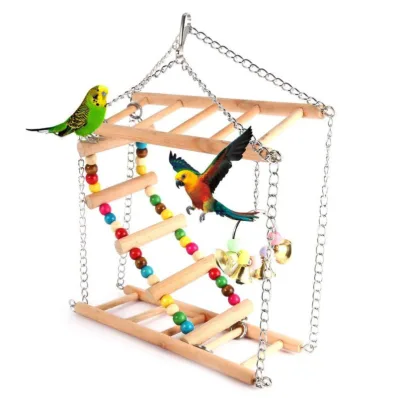
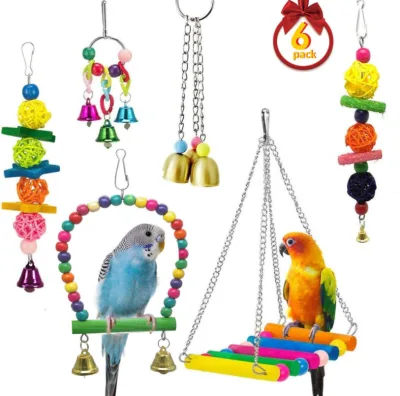


Comprehensive Sourcing Guide
Strategic Sourcing Guide for Bird Toy Procurement
The global market for avian accessories has expanded significantly as pet owners increasingly prioritize enrichment and behavioral health for their companion birds. Sourcing bird toys requires a nuanced understanding of material safety, design durability, and supplier capability. This guide synthesizes available product data and industry best practices to assist procurement professionals in navigating the selection process. The focus remains on evidence-based criteria, ensuring that buyers can make informed decisions without relying on unverified marketing claims or speculative market data.
Material Composition and Safety Standards
The foundation of any bird toy procurement strategy lies in the verification of material composition. Birds are naturally inclined to chew, shred, and manipulate objects with their beaks, making material safety a non-negotiable priority. Analysis of current market offerings reveals a diverse range of materials, primarily centered on wood and plastic. Specific product data indicates that many items are constructed from natural wood, including varieties described as "Wooden" or simply "Wood," which are often preferred for their natural texture and biodegradability. Other entries in the supply chain utilize a combination of "Wood, Plastic" or pure "Plastic" constructions.
When evaluating suppliers, buyers must verify that the wood used is untreated and free from toxic varnishes or preservatives. The presence of plastic components requires scrutiny to ensure they are non-toxic and durable enough to withstand aggressive chewing without breaking into hazardous shards. Some products list specific color variations, such as "Corn in colors," "Pineapple in colors," or "Green arched toy twisted stick style," which suggests the use of food-grade or pet-safe dyes. However, the absence of explicit certification data for all materials in the general market means buyers must request material safety data sheets (MSDS) or specific chemical compliance reports from the supplier. The distinction between "Wood" and "Wooden" in product listings often implies a difference in processing or finish, which can impact the toy's longevity and safety profile.
Technical Specifications and Design Variability
Technical specifications provide the framework for assessing the suitability of a bird toy for specific avian species. The observed product range includes a wide array of model numbers, such as L772, L773, L1419, L990, L1006, L1705, JXYJ12, and JXYJ06. These identifiers often correspond to distinct design philosophies and functional attributes. For instance, the L1419 model is explicitly linked to dimensions of 18x14x7 cm and a single gross weight of 0.150 kg, providing a concrete baseline for logistics planning. In contrast, other items like the JXYJ12 are defined by a standard size of 5x25.5 cm.
Design features vary significantly to cater to different bird sizes and behaviors. Some toys are categorized as "Bird Toys" or "Parrot Toy," while others are described with specific styles such as "Small tree style," "Gourd style," or "Smiling face style." The color options are equally diverse, ranging from "Random color" and "Mixed color" to specific thematic palettes like "Primary color" or "Colorful." The inclusion of "Corn in wood color" or "Banana in wood color" suggests a focus on natural aesthetics, whereas "Green arched toy twisted stick style" points to structural complexity designed for climbing and perching.
Buyers must align these specifications with the physical characteristics of the target pet. The data indicates applicability for "Birds, Parrots," suggesting that the designs are generally robust enough for medium to large avian species. However, the "Single package size" and "Weight" (ranging from 33g to 60g in specific listings) are critical for calculating shipping costs and storage requirements. The "Electric" attribute is noted as "Not Electric" for certain models, confirming that the majority of these toys are mechanical and do not require power sources, which simplifies maintenance and reduces safety risks associated with electrical components.
Compliance, Certification, and Regulatory Checks
Navigating the regulatory landscape is essential for B2B procurement, particularly when importing goods into regions with strict safety standards. While the supplied product data mentions "CE" certification for specific items, this should not be assumed as a universal standard for all bird toys in the market. The CE mark indicates conformity with health, safety, and environmental protection standards for products sold within the European Economic Area, but its presence on a single listing does not validate the compliance of the entire product line.
Procurement teams must verify if the supplier holds valid, current certifications for the specific batch being ordered. Relying on a single "CE" mention without a certificate number or date is insufficient for due diligence. Furthermore, the "prod_standard" field listing dimensions like "5*25.5CM" is a product specification, not a regulatory standard. Buyers should explicitly request documentation regarding compliance with local regulations, such as the Consumer Product Safety Improvement Act (CPSIA) in the United States or equivalent standards in other jurisdictions.
The "Customization" and "Custom Logo" attributes indicate that suppliers offer branding services. When customizing products, the risk of introducing non-compliant materials or processes increases. Therefore, any custom order must undergo the same rigorous certification verification as standard items. The "Stocked" and "Durable" features listed in the data are marketing attributes; they do not replace the need for third-party testing reports. Buyers should insist on independent laboratory test results for toxicity, flammability, and mechanical strength before finalizing large orders.
Cost Drivers and Pricing Dynamics
Understanding the cost structure of bird toys is vital for maintaining healthy profit margins. The observed price range in the market spans from $0.27 to $7.23 USD, a significant variance that reflects differences in material quality, complexity of design, and production volume. The lower end of the spectrum likely corresponds to simple wooden chew toys or basic plastic items, while the higher end may include complex multi-component structures, custom branding, or premium natural materials.
Minimum Order Quantity (MOQ) is another critical cost driver. The data shows an MOQ range of 2 to 500 units. Suppliers with lower MOQs (e.g., 2 units) may charge a higher unit price to cover setup costs, whereas suppliers requiring 500 units often offer volume discounts. The "Selling Units" attribute, noted as "Single item" for some products, suggests that these items are often sold individually to end consumers, but in a B2B context, they are typically bundled or palletized.
Additional cost factors include the "Place Of Origin," which varies between "Zhejiang, China" and "Jiangxi Ganzhou." Different regions may have varying labor costs, material availability, and logistics infrastructure, all of which influence the final landed cost. The "Customization" and "Logo Printing" options add to the unit cost due to the additional setup and production time required. Buyers should request a detailed breakdown of costs, including material, labor, tooling, and logistics, to understand the true cost drivers behind the quoted price.
Supplier Evaluation and Operational Capabilities
Selecting the right supplier involves more than just comparing prices; it requires a holistic evaluation of operational capabilities. The diversity in "Place of Origin" suggests a competitive market with multiple manufacturing hubs. Buyers should assess the supplier's ability to maintain consistent quality across different model numbers, such as the transition from L772 to L1705. The presence of "Customized" and "Custom Logo" capabilities indicates that the supplier has the flexibility to adapt to specific buyer requirements, which is a valuable asset for private label programs.
The "Feature" attributes, such as "Stocked," "Durable," "Reusable," and "Bite," provide insight into the supplier's product focus. A supplier emphasizing "Durable" and "Reusable" is likely focused on long-term product life, which reduces waste and enhances customer satisfaction. However, these claims must be validated through sample testing. The "Season" and "Holiday" attributes, including "Christmas," "Oktoberfest," "Thanksgiving," and "Halloween," suggest that some suppliers have the capacity to produce seasonal inventory. This capability can be advantageous for buyers looking to capitalize on holiday sales cycles, but it requires careful inventory planning to avoid overstocking.
Buyers should also evaluate the supplier's logistics capabilities. The "Single gross weight" and "Single package size" data are essential for freight planning. A supplier with a consistent track record of meeting delivery timelines and providing accurate packaging dimensions will reduce the risk of shipping delays and unexpected costs. The "prod_packing" attribute, listed as "OPP" for some items, indicates the use of polypropylene packaging, which is common for protecting small items during transit.
Quality Control and Long-Term Procurement Strategy
Implementing a robust quality control (QC) protocol is essential for mitigating risks in bird toy procurement. Given the "Bite" and "Self-entertainment" features, the toys must withstand significant mechanical stress. Buyers should establish clear acceptance criteria based on the "Feature" and "Material" specifications. For example, wooden toys should be inspected for splinters, and plastic components should be checked for sharp edges or brittleness.
Long-term procurement strategies should focus on building relationships with suppliers who demonstrate consistency and transparency. The ability to provide "Custom Logo" services and maintain a diverse product portfolio (e.g., "Corn in colors," "Pineapple in colors") suggests a supplier capable of evolving with market trends. However, buyers must remain vigilant about the "Random color" and "Mixed color" attributes, which can lead to inconsistency in product appearance. Clear communication regarding color preferences and quality standards is necessary to ensure that the final product meets the buyer's expectations.
Furthermore, the "Applicable Pet" data, which includes "Bird cage decoration" and "bird toy," highlights the dual nature of these products. Some items serve primarily as decorative elements, while others are functional enrichment tools. Buyers should categorize their inventory based on these functions to optimize marketing and sales strategies. The "Usage" attributes, such as "boredom play" and "self-entertainment," should be leveraged in product descriptions to highlight the value proposition to end consumers.
In conclusion, sourcing bird toys requires a meticulous approach that balances technical specifications, material safety, and supplier reliability. By adhering to the evidence-based criteria outlined in this guide, procurement professionals can navigate the complexities of the market and build a resilient supply chain that delivers high-quality products to pet owners. The key lies in continuous verification, clear communication, and a commitment to safety and durability.
FAQs
What materials are used for bird toys?
Bird toys are primarily constructed from wood, wooden, or plastic materials. Some products combine wood and plastic, while others use pure plastic. Buyers should verify that wood is untreated and plastic is non-toxic to ensure safety for parrots and birds.
Which certifications do bird toy manufacturers hold?
Some listed products carry CE certification, indicating conformity with European safety standards. However, this is not universal across all items. Buyers must request specific compliance documentation for each batch rather than assuming all products meet global safety regulations.
Can I customize bird toys with my logo?
Yes, customization is available for many bird toy models including logo printing. Suppliers offer options for custom branding on items like the JXYJ12 model. Buyers should confirm specific customization capabilities and associated costs before placing large orders.
How does the MOQ vary for bird toys?
Minimum Order Quantities range from 2 to 500 units depending on the supplier and product type. Lower MOQs often result in higher unit prices, while larger orders may offer volume discounts. Buyers should check specific requirements for each model number like L772 or L1419.
What is the price range for bird toys?
The observed price range spans from 0.27 to 7.23 USD per unit. This variance reflects differences in material quality, design complexity, and production volume. Simple wooden toys typically cost less than complex multi-component structures or customized items.
Where are bird toy manufacturers located?
Manufacturers are located in regions such as Zhejiang and Jiangxi Ganzhou in China. The place of origin can influence labor costs and logistics. Buyers should verify the specific location for each supplier to calculate accurate landed costs and delivery times.
Are bird toys electric or mechanical?
Most bird toys listed are not electric and rely on mechanical design for play. Features include biting, boredom play, and self-entertainment without power sources. This simplifies maintenance and reduces safety risks associated with electrical components for parrots and birds.